

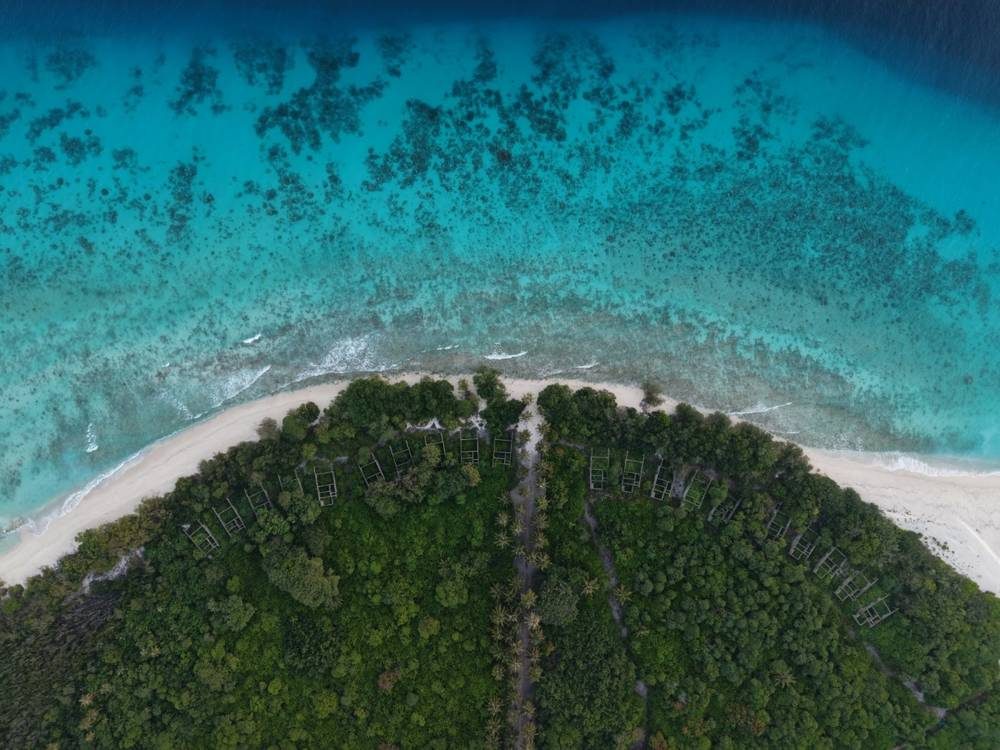
Ulifushi · The story
A voyage through Maamalé Kandu.
The echoes of our past and beginnings. Ulifushi takes its story from the waters, the atoll and the building traditions of the far north of the Maldives.
Where the channel meets the north
An island at the edge of a historic crossing.
Uligan, or Uligamu, lies in Haa Alif Atoll, part of the old Thiladhunmathi atoll at the northern edge of the Maldives. Beyond its shores runs Maamalé Kandu, known to the wider world as the Eight Degree Channel, long a passage for ships crossing the Indian Ocean.
By local tradition the channel carries the name of Maamalé, a Malabar trader and seafarer whose fleets once commanded these waters and whose story is said to have ended here. Maldivians still call the passage by his name.
Haa Alif is also the home atoll of Sultan Mohamed Thakurufaanu, born on the neighbouring island of Utheemu and remembered as a national hero. His birthplace inspires one of Ulifushi's three royal-heritage residences.
Dhathuruverin
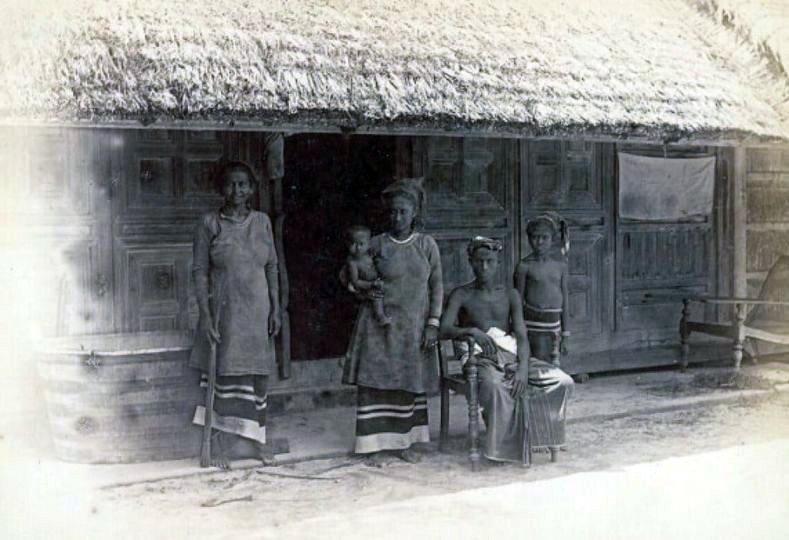
You arrive not as a visitor, but as dhathuruverin, a guest in the oldest sense.
The Maldives were known to the world long before tourism, through traders, sailors and seafarers drawn by coconut, ambergris and the cowrie shell. At Ulifushi, guests are called dhathuruverin, travellers welcomed into a story that began long before them.
The idea is simple: heritage is not kept behind glass. It is lived in the architecture, the food, the crafts and the rhythm of the day.
Brand pillars
What Ulifushi stands for.
- Living heritage
Traditions, crafts, architecture and storytelling experienced through daily life and participation, not display.
- Regenerative hospitality
Restoring rather than extracting: reclaiming neglected land, keeping cultural practices alive and supporting local livelihoods.
- Well-being through nature
Balance of body, mind and spirit through Dhivehi beys, movement, nourishment and time in nature.
- Shared knowledge
Artisans, storytellers, healers and cooks from the northern atolls at the heart of the experience.
- Meaningful experience
Moments designed for connection and memory rather than spectacle.
Design philosophy
Architecture as a journey, not an object.
Ulifushi reinterprets the spatial logic of traditional Maldivian homes and palaces for contemporary living, rather than copying them.
Spatial sequencing
Movement leads from openness to intimacy, from communal gathering to private retreat, as in a traditional home.
Thresholds
Courtyards, verandas, gateways and foot-washing wells mark the passage between outside and in.
Climate-responsive design
Shade, natural ventilation and passive cooling, drawn from generations of building for heat, humidity and monsoon.
Reinterpretation, not replication
Heritage expressed through proportion, material and atmosphere, never as imitation.
Landscape integration
Pathways, courtyards, water and native planting woven together so the village emerges from the landscape.
Sensory architecture
Moving air, filtered light, the scent of native plants and the sound of birds, wind and sea.
Renewal and stewardship
Restoring a site that was left unfinished.
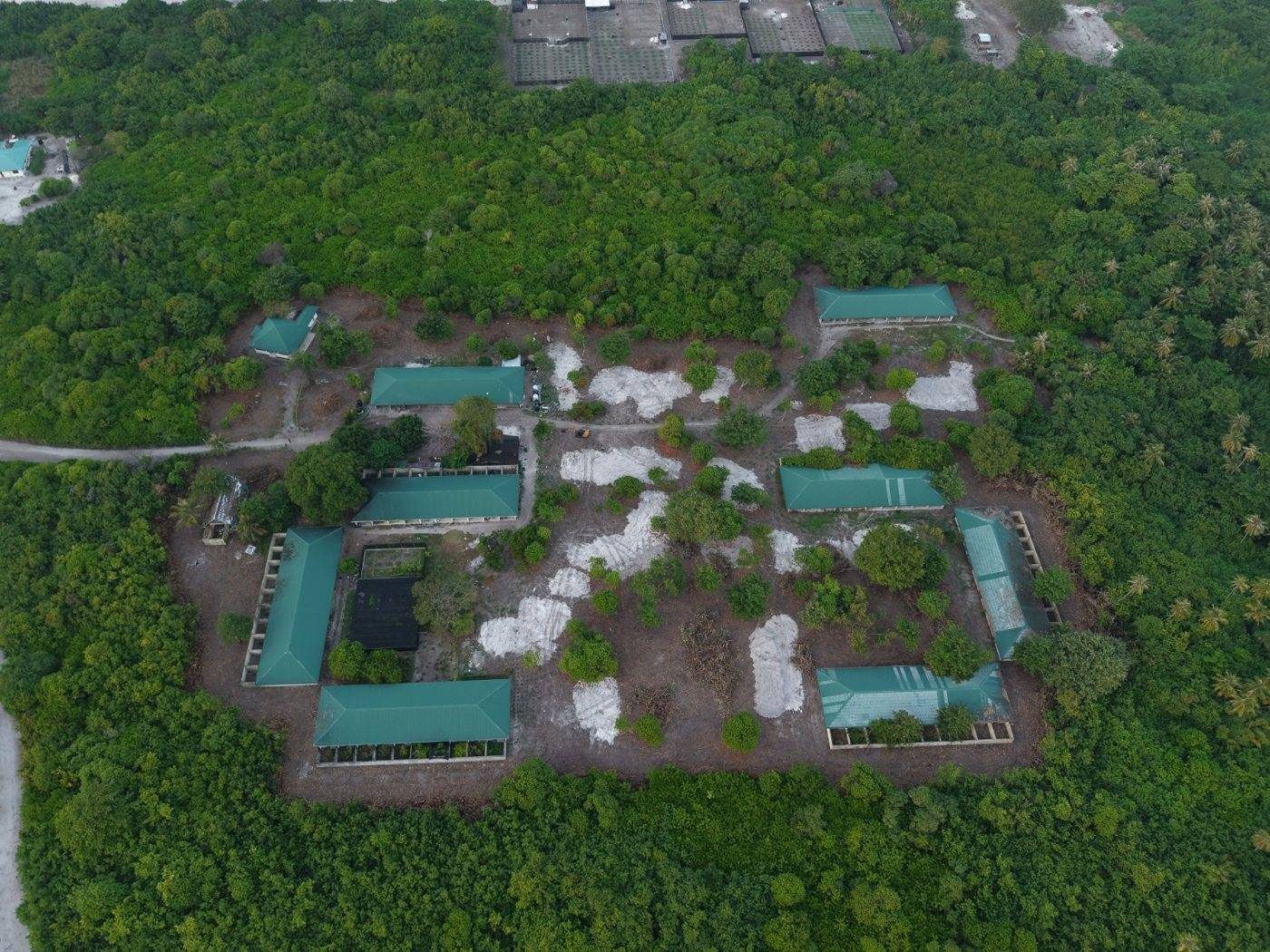
Ulifushi is being built on land that once held an abandoned construction project. Rather than clearing it, the plan reuses what stands and restores what was lost.
- Reuse
Six existing room blocks become the Uthuru Dheyvi city hotel instead of being demolished.
- Native planting
Indigenous species with cultural, medicinal and practical value are reintroduced, and the mature trees and wetland are kept.
- People
Maldivians first in hiring and training, with artisans, cooks and healers from Uligan and nearby islands.
- Local sourcing
Produce, crafts and materials from the northern atolls wherever possible.
- Low impact
Rooftop solar, natural ventilation, and efficient water and waste systems.
Continue